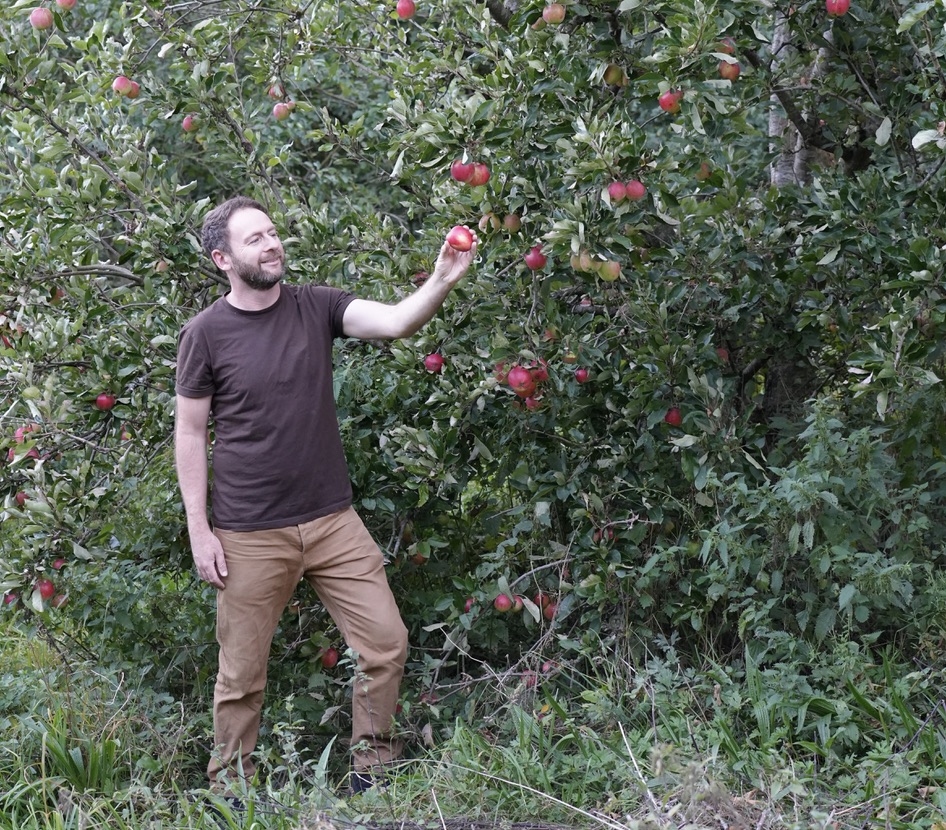
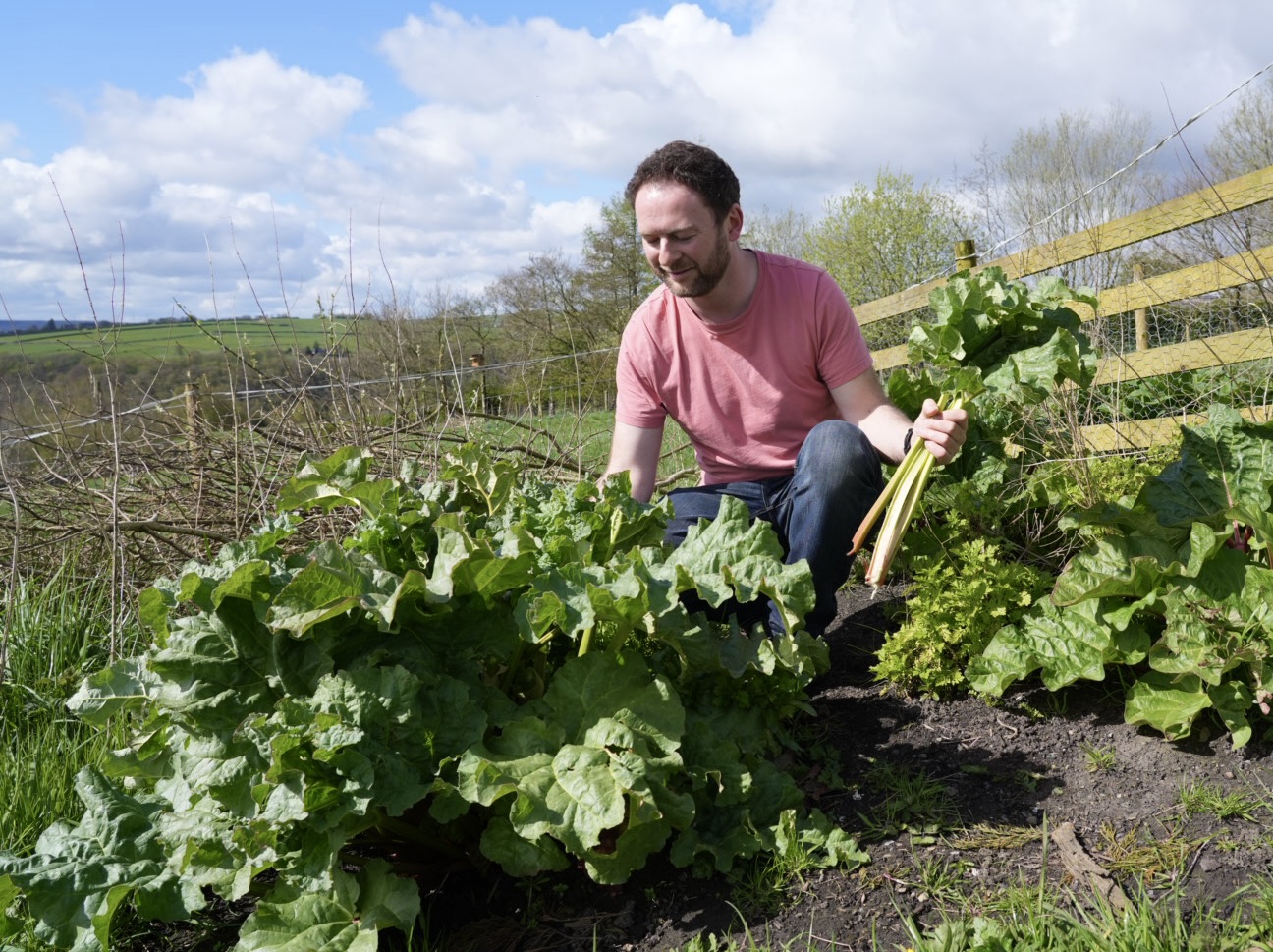
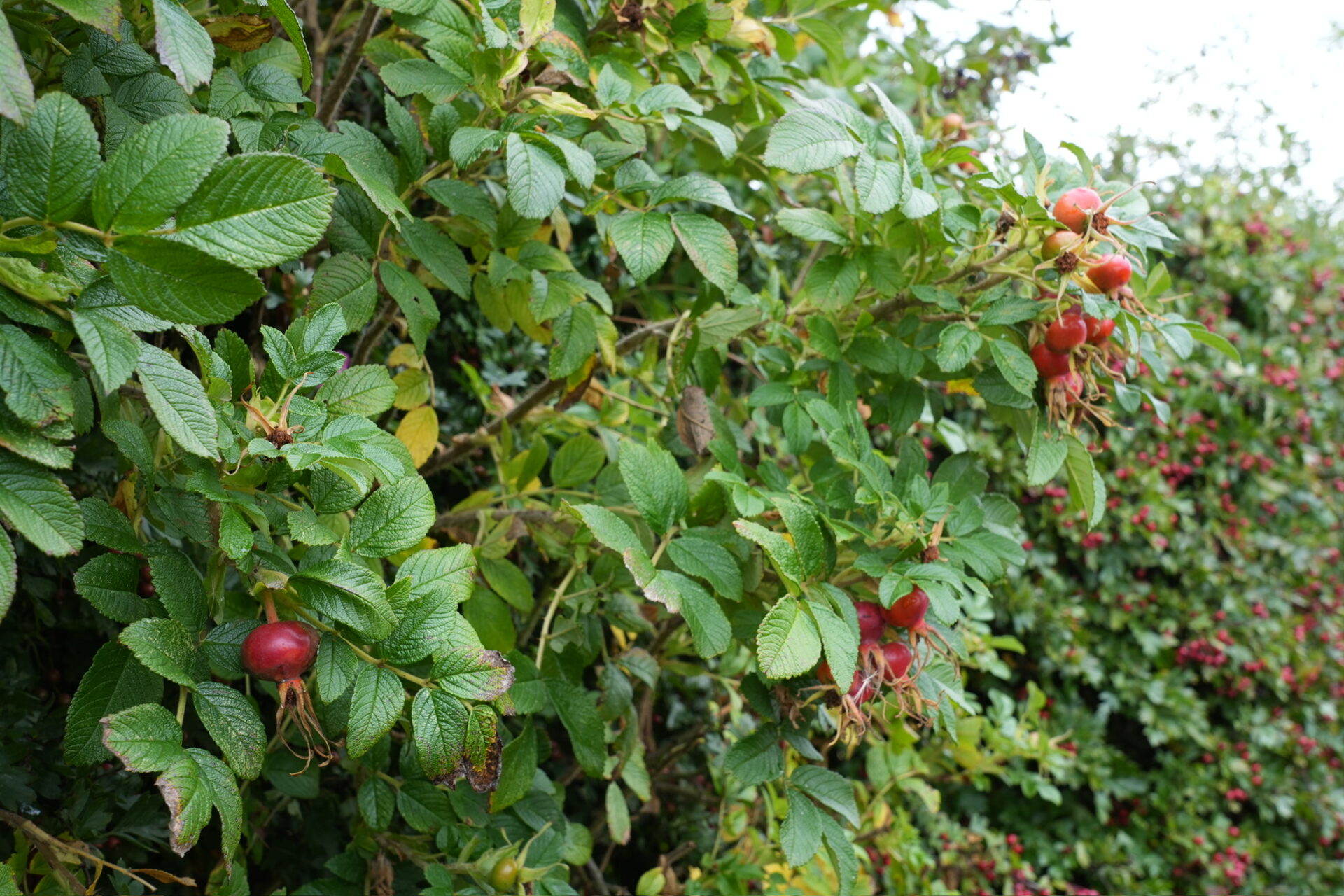
Being around food crops for most of my life, one of the things I can’t help notice is how popular they are with all kinds of wildlife. I suspect edible perennial crops go multiple steps further than many other plants by providing birds, insects and mammals reliable food and shelter for years and years.
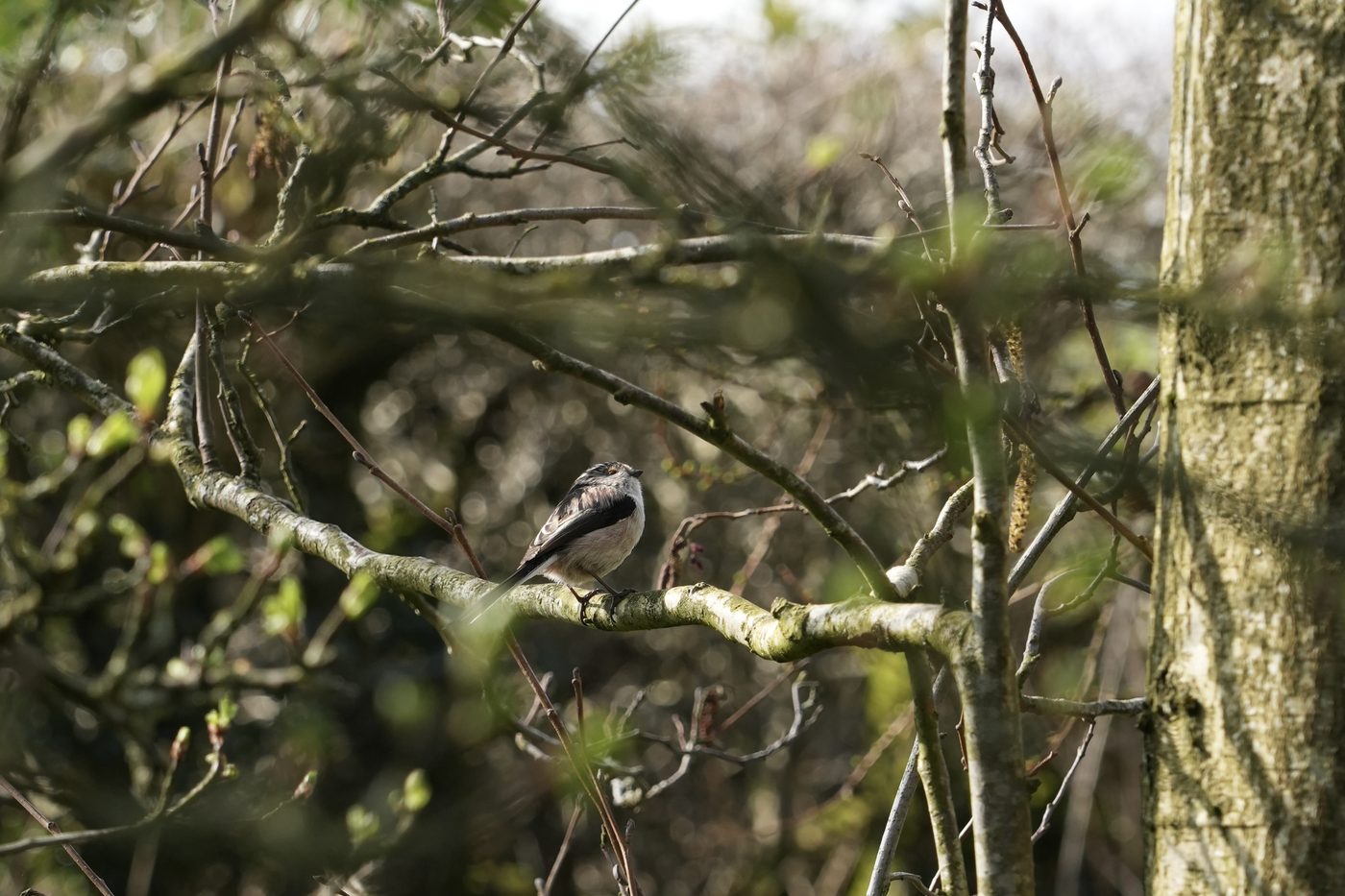
All through the year small birds zip through our fruit and nut trees searching for aphids, caterpillars and other insects. Medium and large birds nest in their branches. Early emerging insects feed on spring blossom. Larval stages of insect feed on their leaves and wood. Later in the year birds, mammals and insects feed on their fruits and nuts.
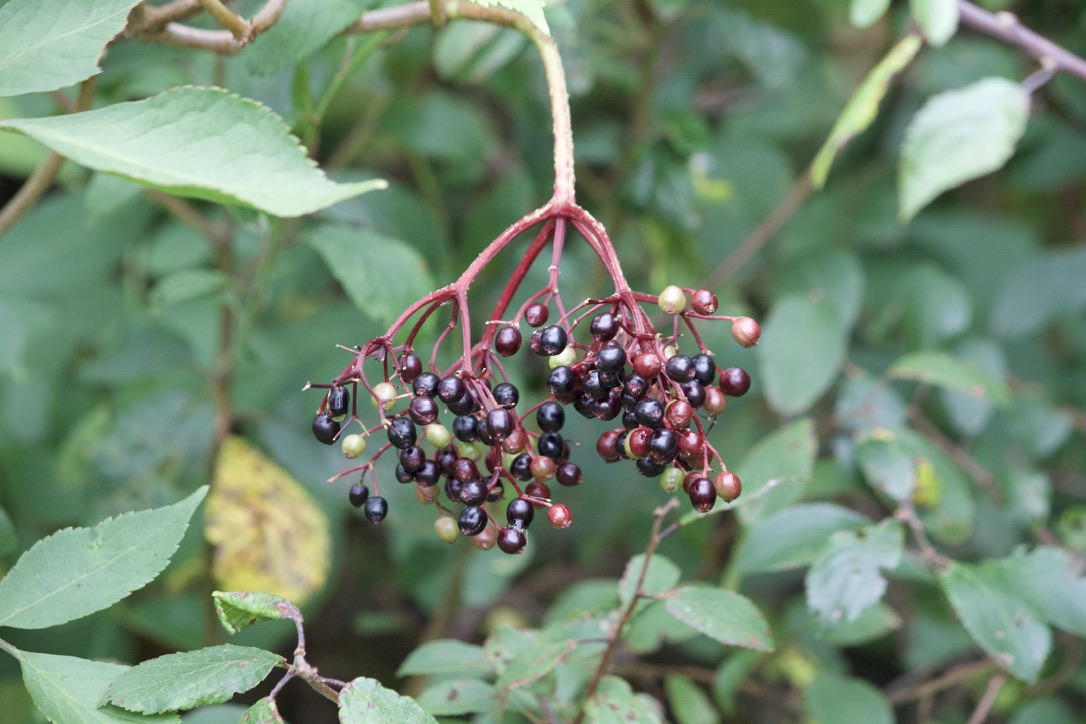
Fruit and nut trees are an essential part of a thriving ecosystem for wildlife. Most edible trees and shrubs are deciduous and their leaves fall in autumn to feed the soil life, including worms, bacteria, slugs, snails. In turn feeding frogs, toads, newts, slow worms and more.
The waste left behind from all this soil life produces a rich material called humus which can be absorbed by plant roots, feeding future years’ crops. Edible perennials are incredible ecosystem builders in the wild, on farms and in gardens big or small.
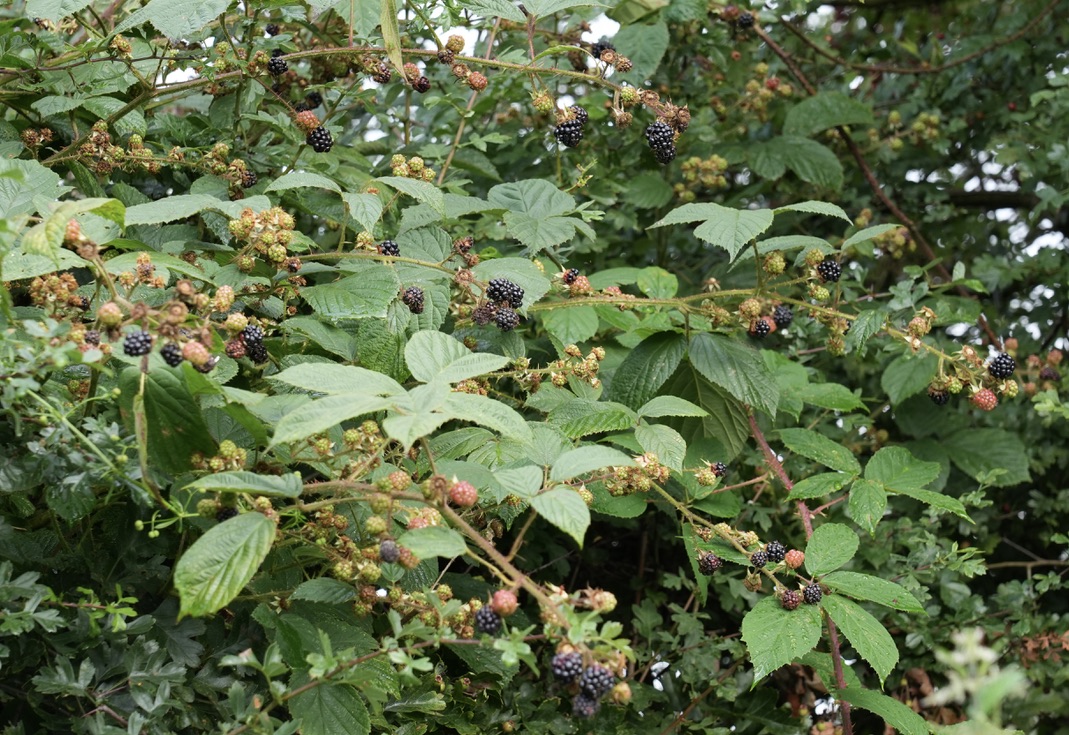
Other fruit producing shrubs, climbers and scramblers all add to the mix and can be grown through hedges and other shrubs or trees to double up on the productiveness of a space. Your entire hedge can be edible in fact by growing only food producing plants. With careful plant selection it’s possible to provide food for wildlife in every season of the year.
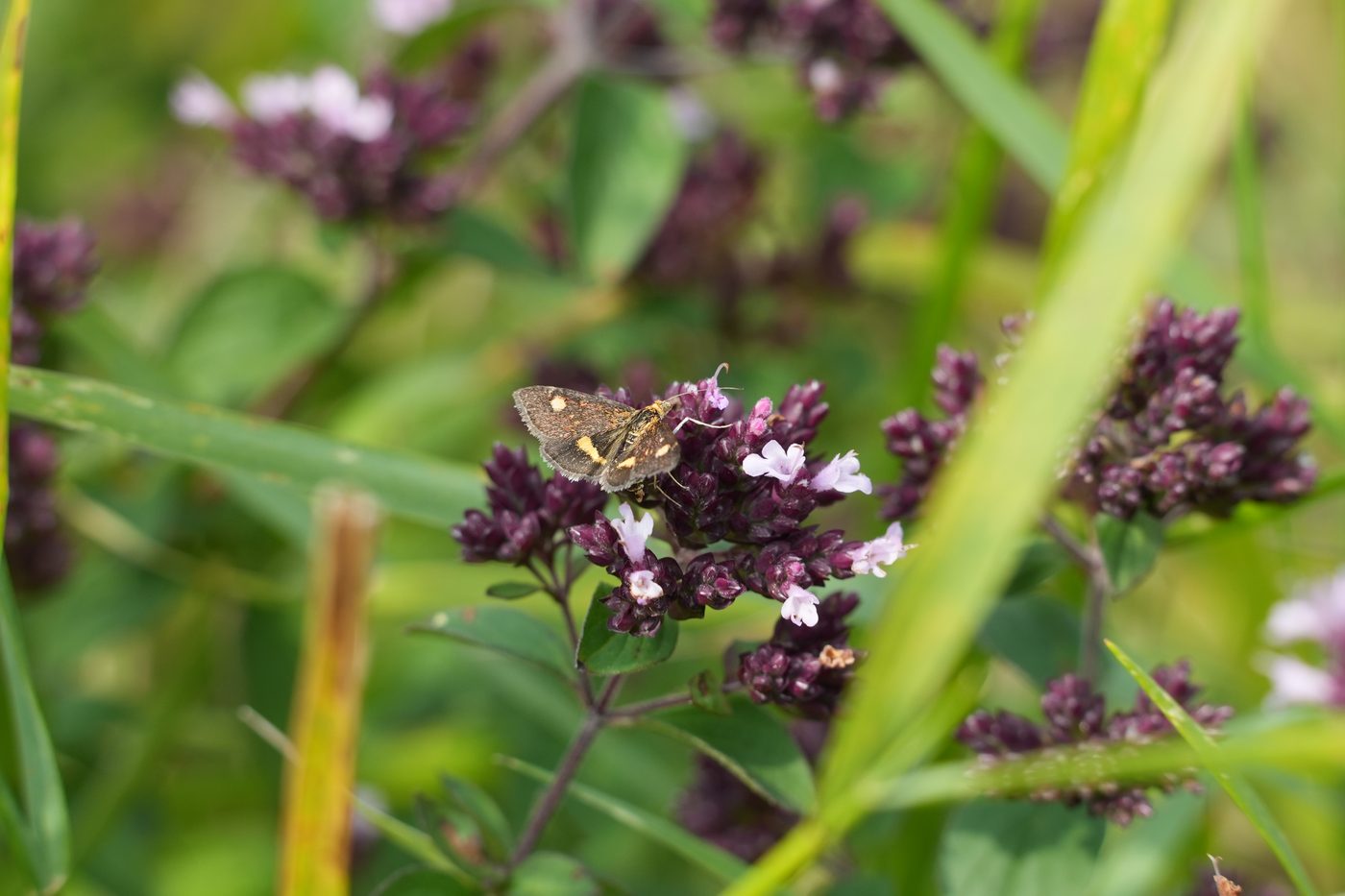
Most edible perennial food produces leaves and flowers that can also be used by wildlife and from what I’ve observed, they are often some of the most prolific hotspots for insects.
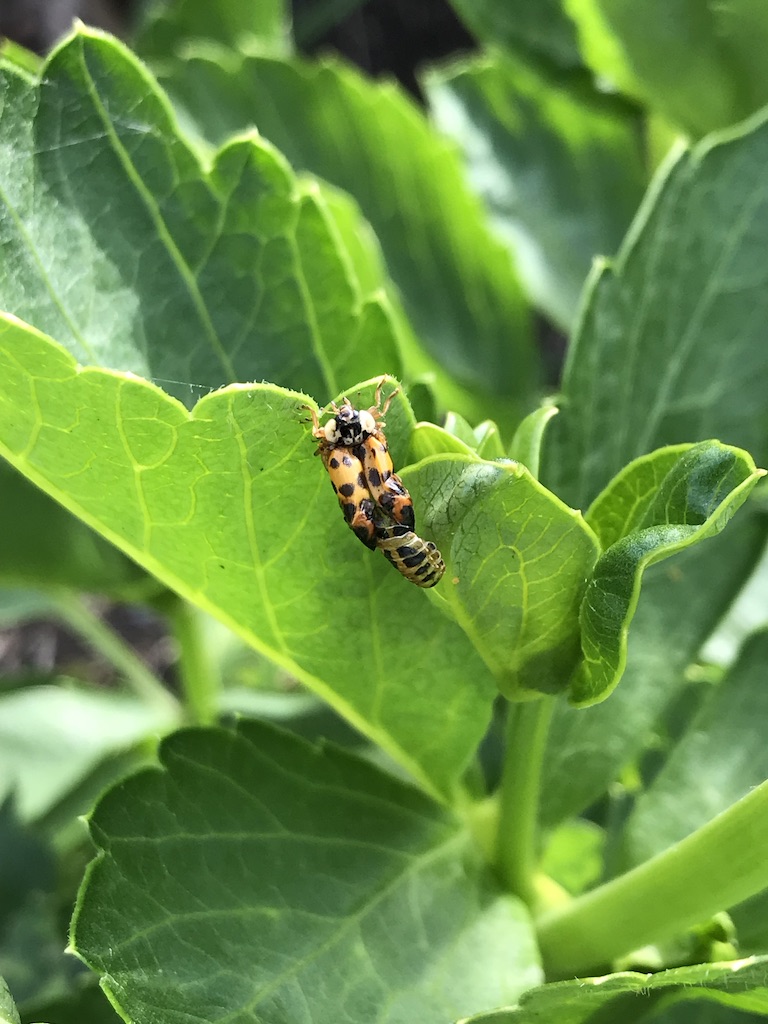
As with all gardening, if we leave the insects who want a nibble to get on with, helpful predators will keep them under control, such as the above emerging adult ladybird on an edible coastal hog fennel. The ladybird eating aphids in huge quantity.
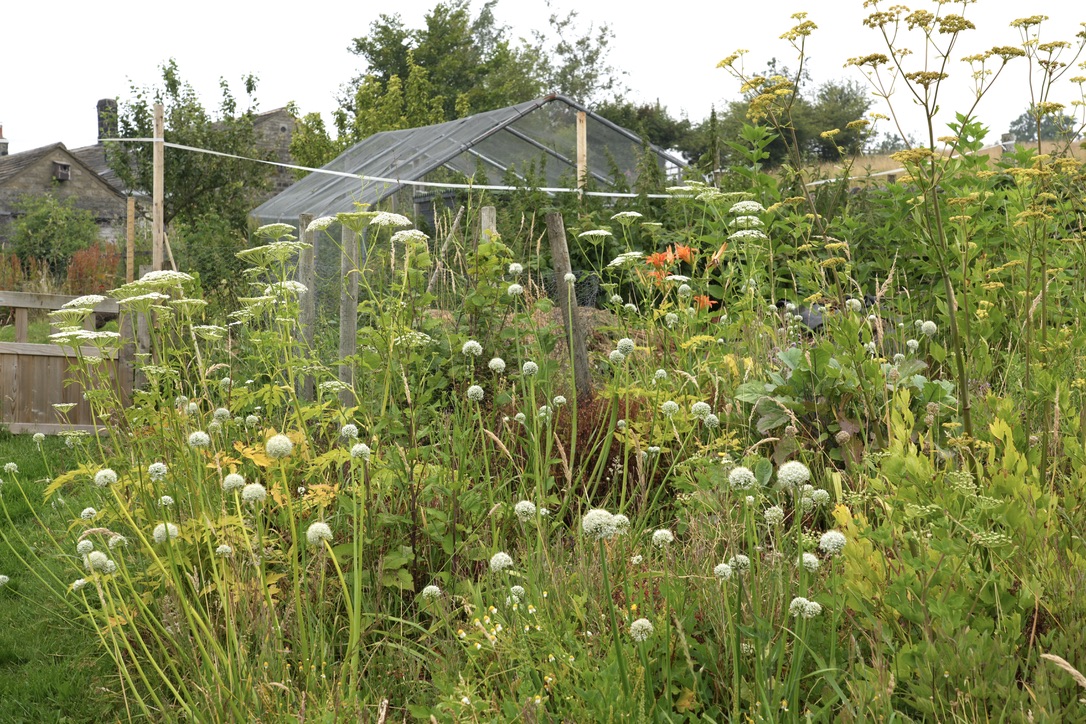
Mix all of these ideas and plants into an edible plant community or among your other garden plants and the impact for wildlife escalates exponentially. A dense, stable plant community that can last for years, potentially even outlive us. Helping wildlife for generations. That also happens to produce large quantities of food for us, if we’re willing to share. Which is really how gardens began…
If you are interested in edible perennials and edible plant communities to help wildlife in your garden, I’ve explored all of these topics, techniques and plants at length in my book, Grower Gatherer.
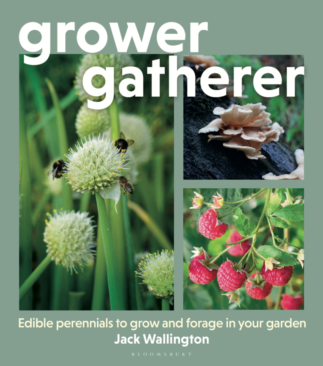
Explore edible perennials and forage gardens in Grower Gatherer
Discover a curated selection of delicious, easy to grow perennial vegetables, fruit, herbs, nuts, fungi and edible flowers – and how to combine them into beautiful, productive plant communities.