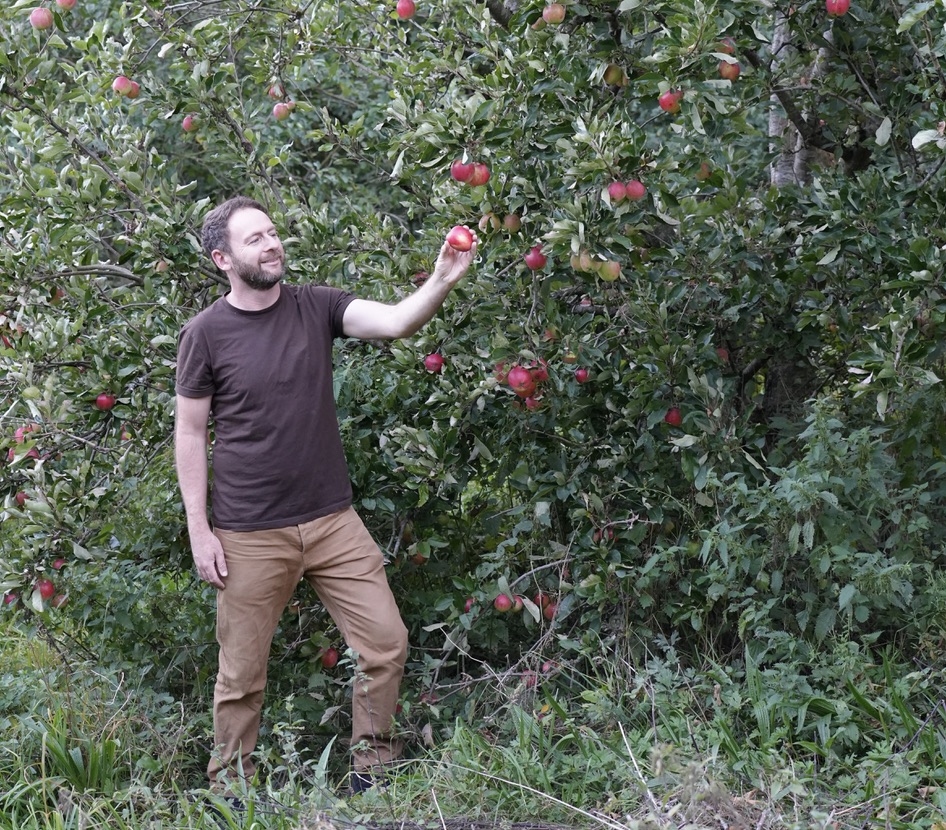
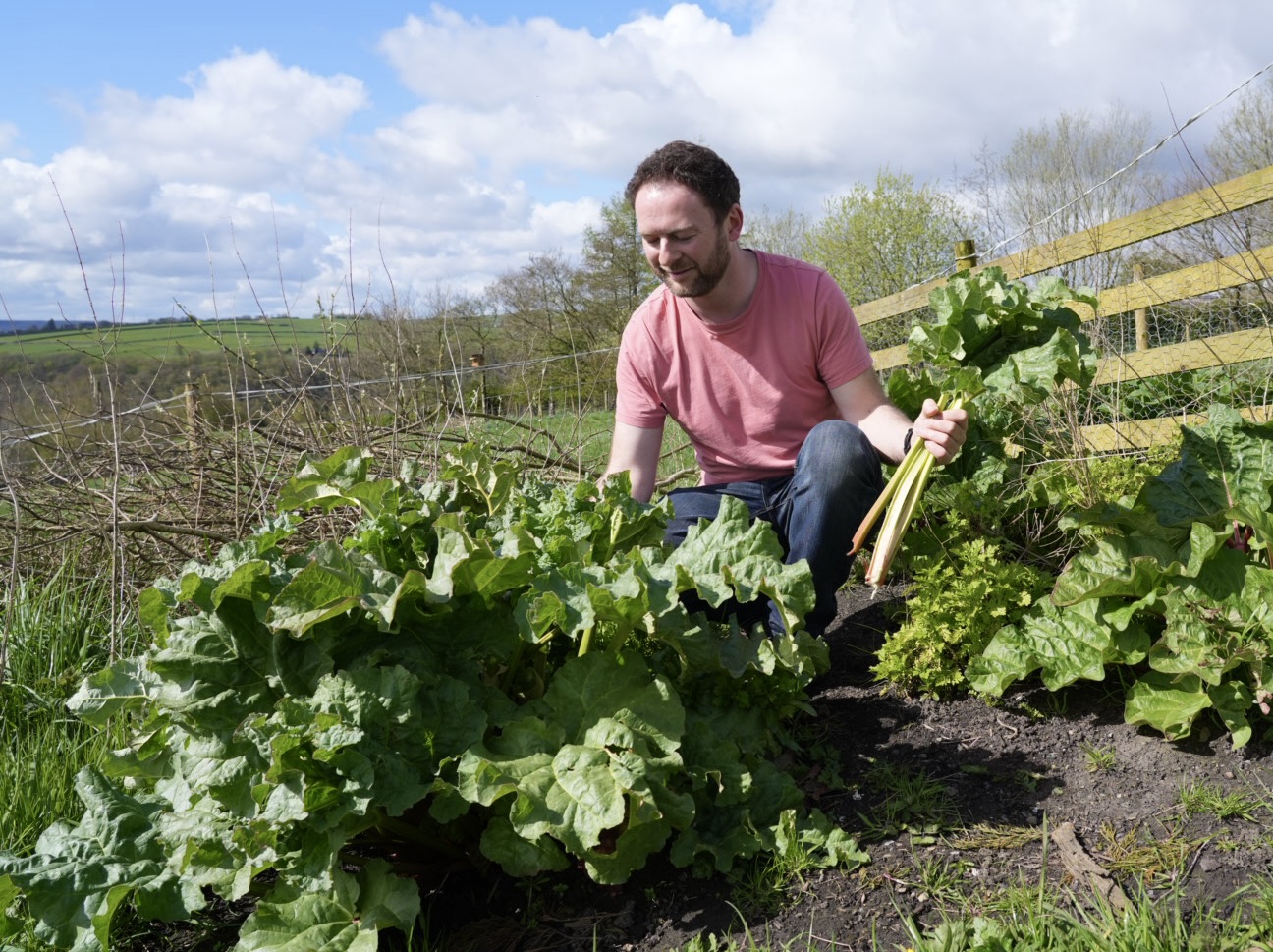
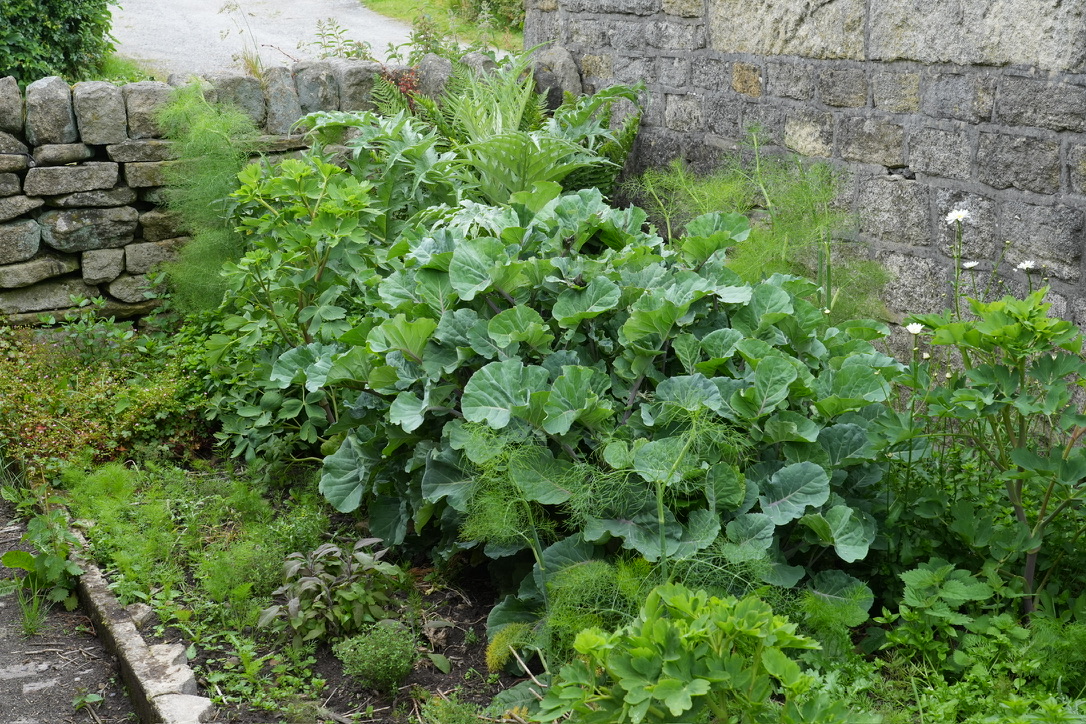
An edible hedge is boundary planting that uses a mix of plants with edible parts such as leaves, fruits, nuts and flowers. At their core are edible perennials, shrubs and trees that continue growing year after year and are usually happy to be trimmed to size. People and wildlife can then forage free food from them!
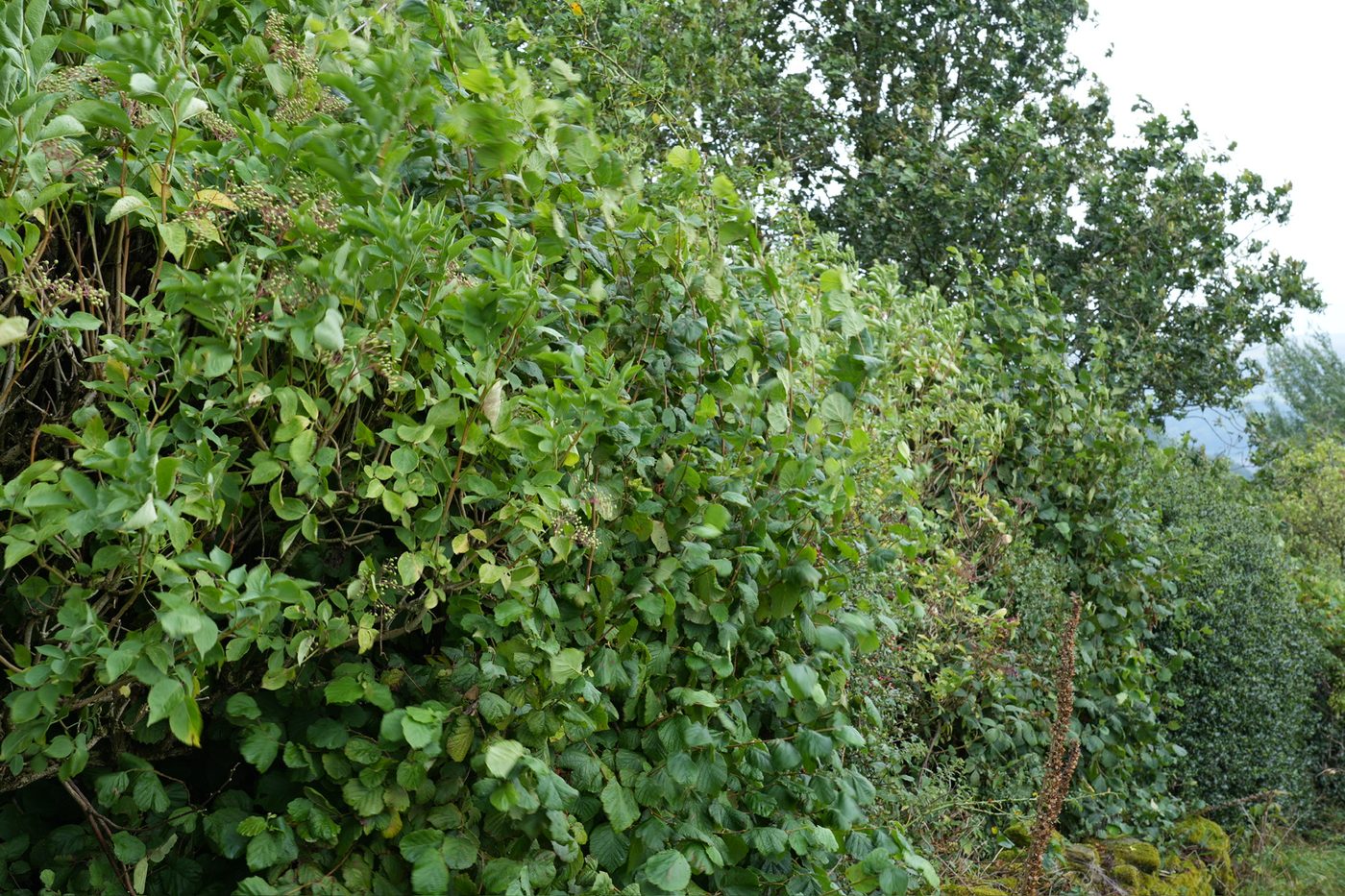
One of the great joys of our garden is that it has an ancient mixed hedge using wild trees and shrubs such as crab apple, elderflower and sloes. This type of mixed hedge looks extremely beautiful through the year with a constantly changing patch work of blossom, leaf colours and autumn berries.
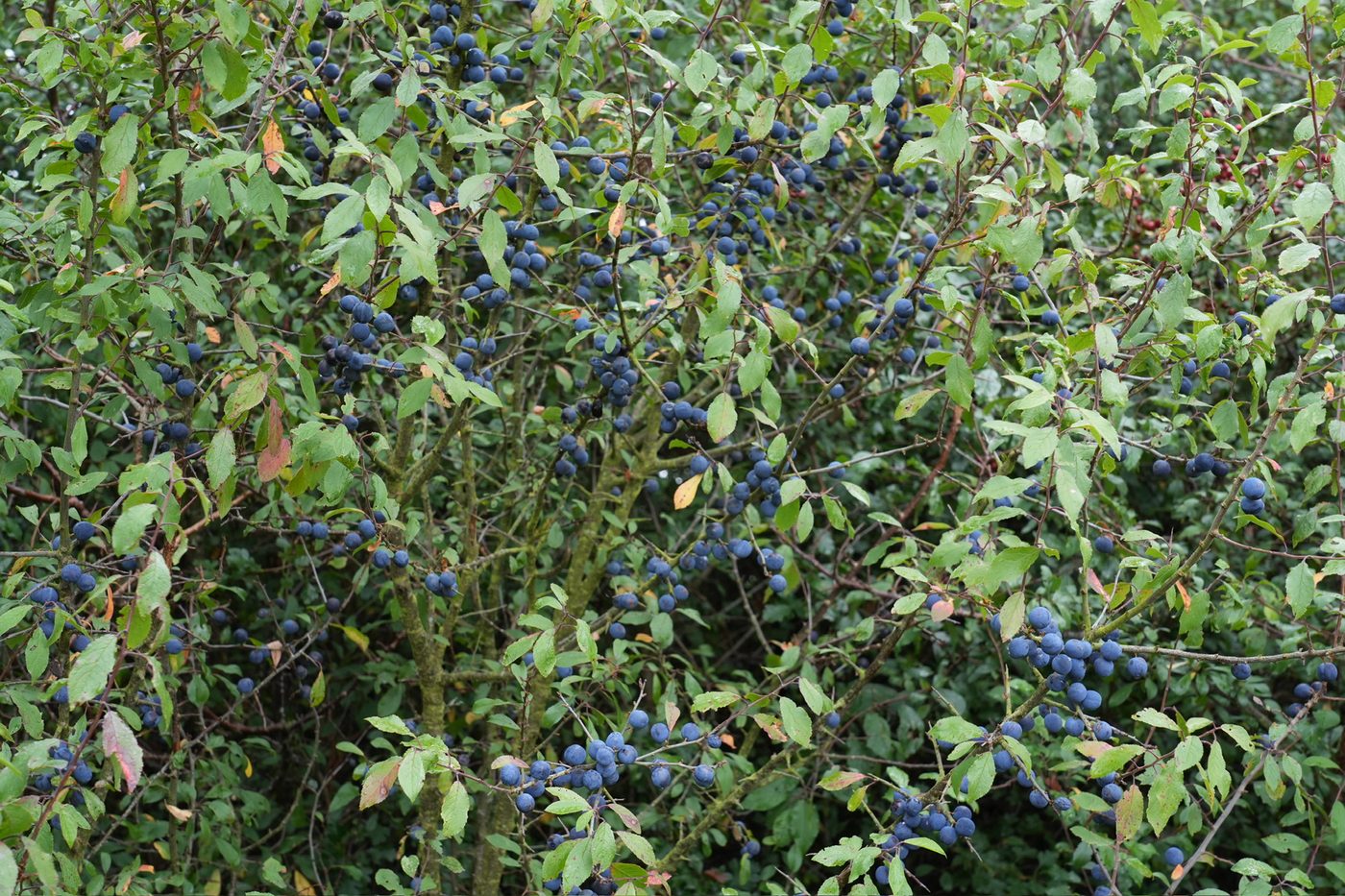
The hedges are also the number one habitat in our garden for supporting wildlife, thanks to all of the food they produce, insects they attract and shelter they provide for nesting birds. An edible hedge with food for us by default also supplies food for wildlife, if we are willing to share.
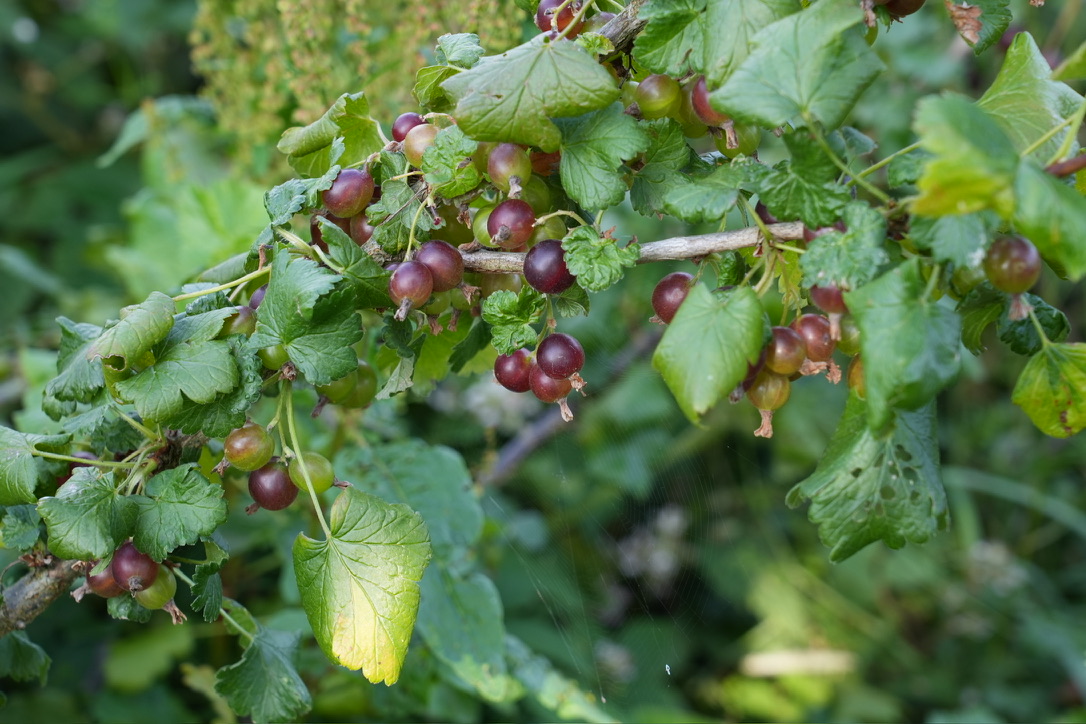
Of course, you don’t have to use exclusively wild trees and shrubs. You can happily grow an edible hedge using other crops such as fruit. Gooseberries, currants and blackberries make a wonderful small to medium size edible hedge. On our allotment there is an informal fruit edible hedge growing down one side, which I just clip like any other hedge.
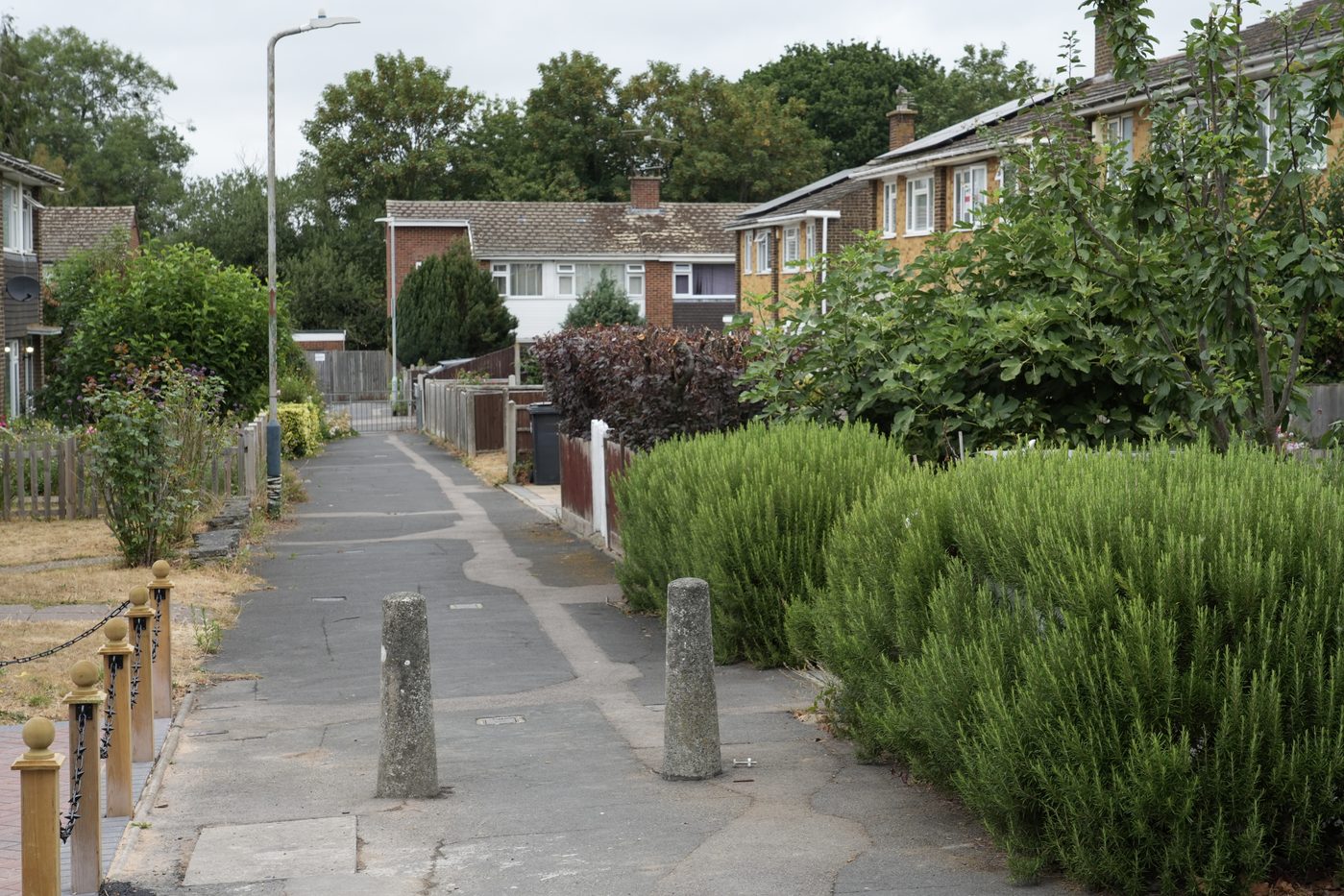
You can also look to other types of crops, herbs such as rosemary make beautiful edible hedges that can grow up to 2m tall! Which might surprise some people when you think the rosemary plants sold in supermarkets look tiny… Some herbaceous edible perennials such as sunchokes can provide a temporary screen in summer, dying back to the ground in winter only to return again in spring.
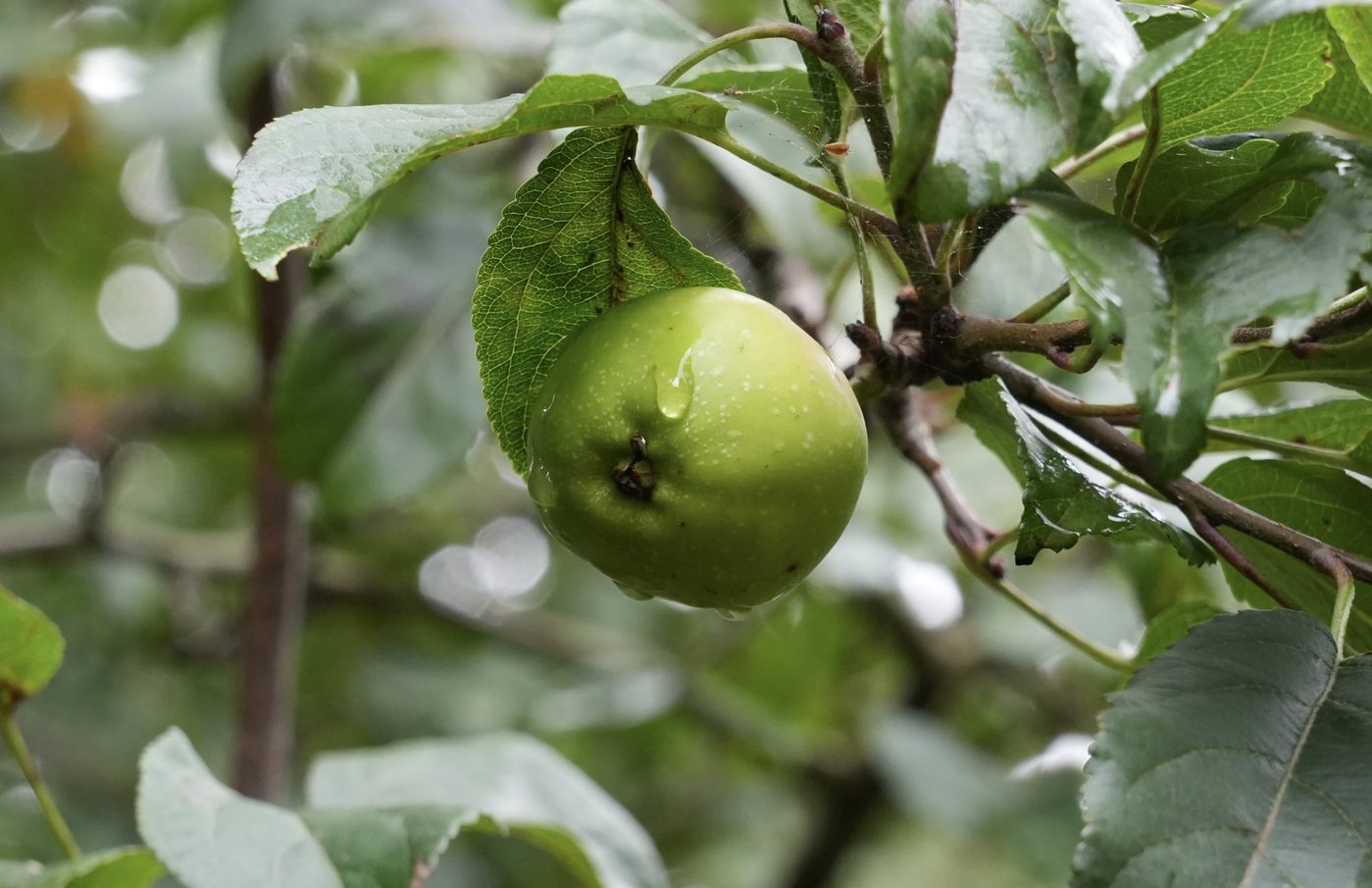
If well maintained an edible hedge can live for decades, if not centuries! Just imagine how many generations of people and wildlife that can support. And they can be grown in small gardens to big gardens. It’s all part of making more of our gardens edible.
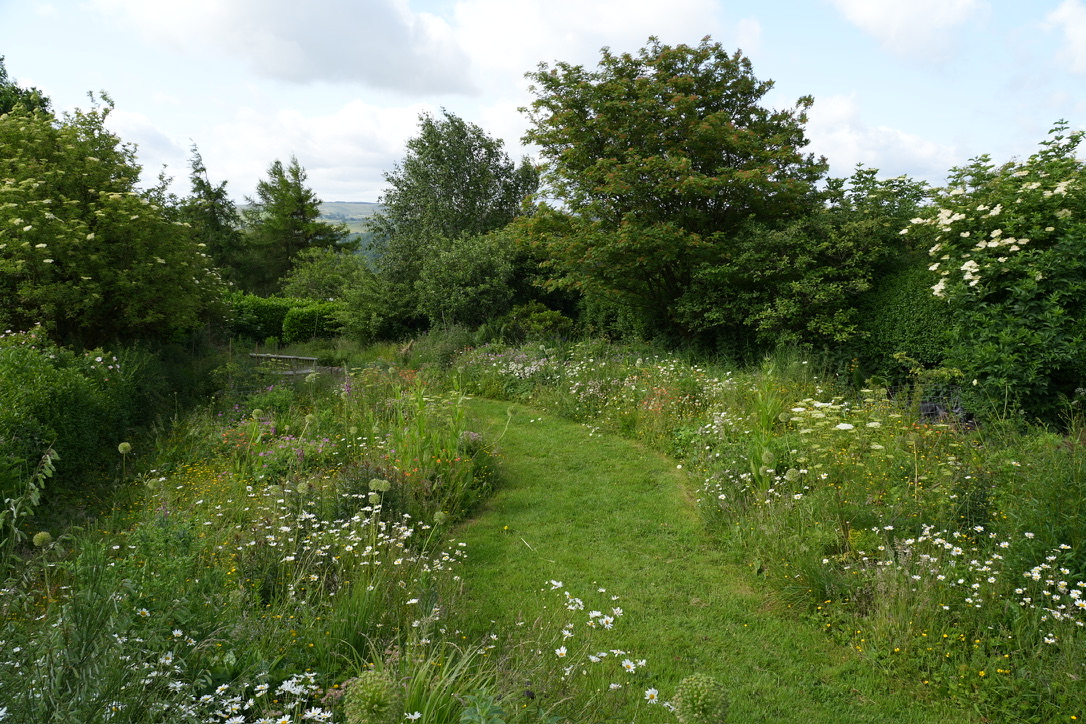
Some plants grow to a certain height and then stop or slop down, though many will need clipping each year. By doing this carefully though, it’s still possible for fruits and nuts to be produced. An edible hedge can be as productive as a row of crops with more care. However, you can also mollycoddle them less, cutting back like a regular hedge, and although it may produce slightly less food, can still provide enough to forage from.
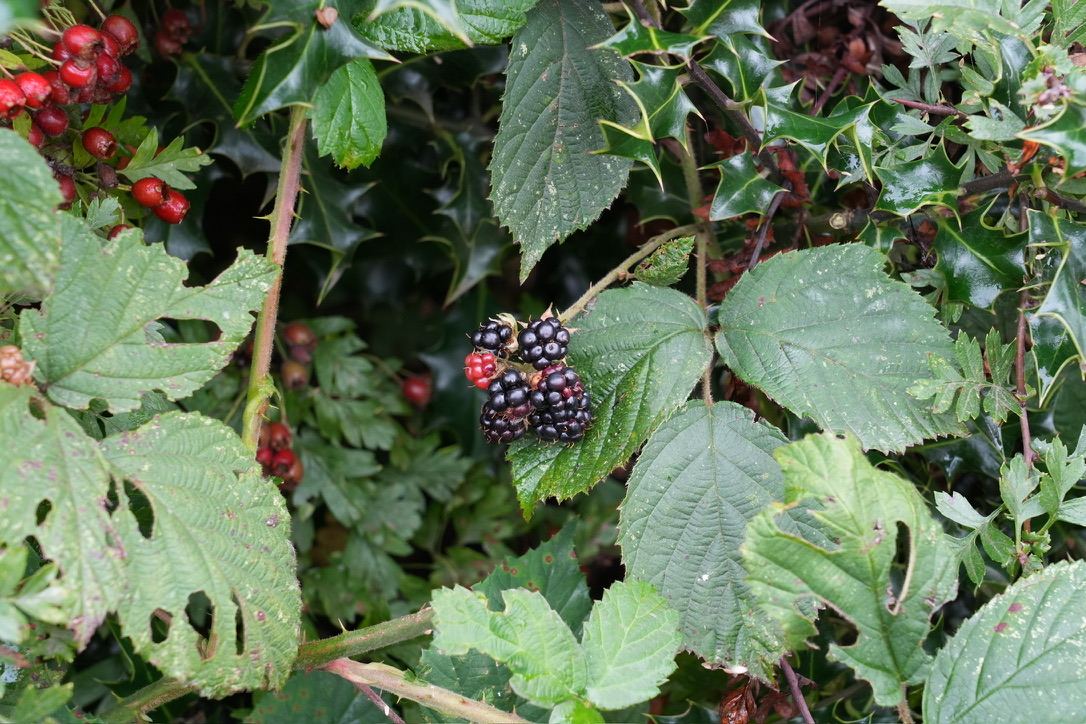
I also love to grow scrambling or climbing edible plants up through other hedge shrubs and trees to double the amount of food produced in one place. Edible perennials such as blackberry and honeysuckle, the roses for the vitamin C packed hips. We even have some edible fungi growing in our hedges.
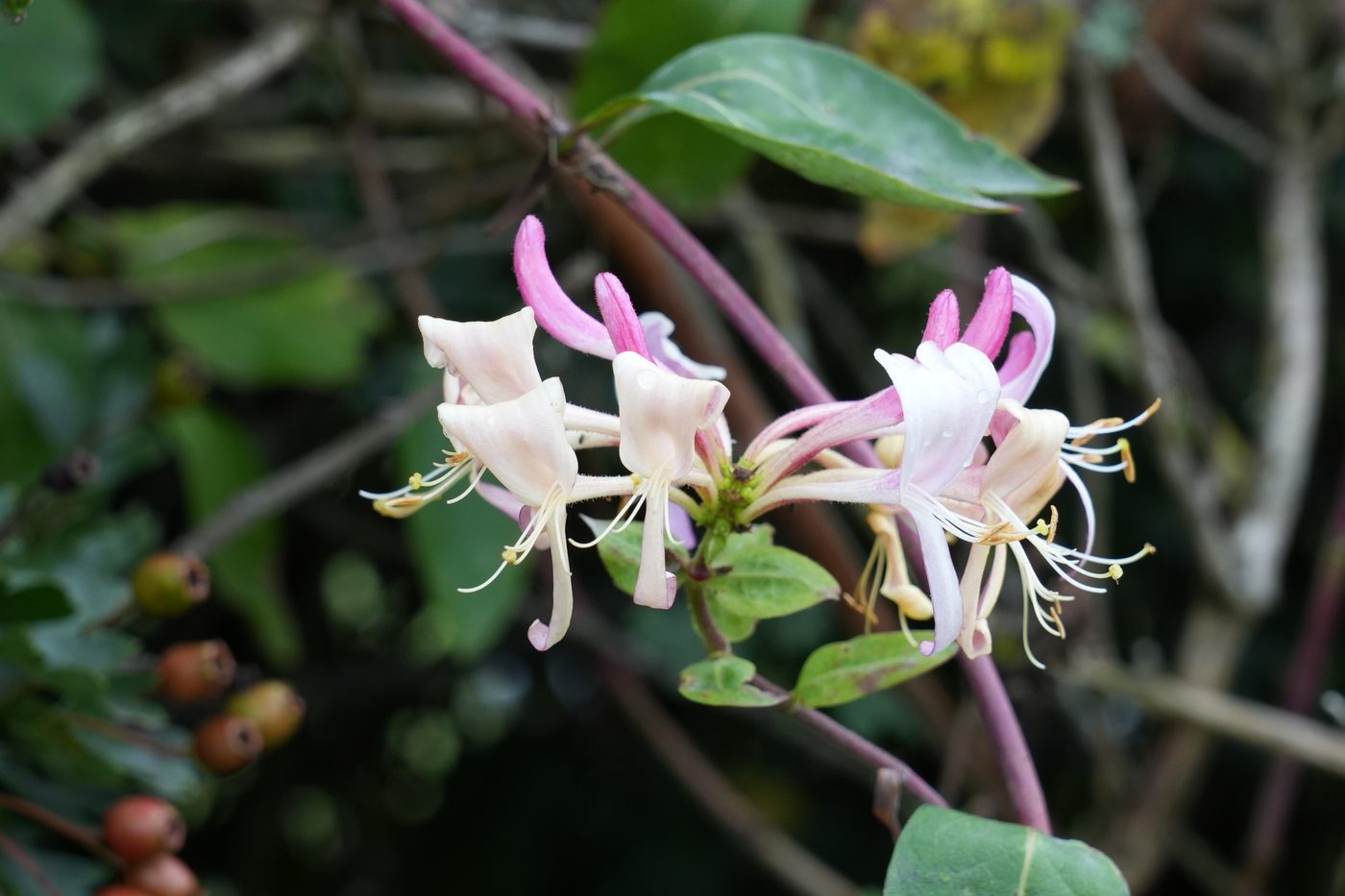
The limit to what an edible hedge can include or be is really your imagination. If you’re interested in exploring more plants suitable for edible hedges, I’ve included a whole range of my favourite edible perennial crops in Grower Gatherer: edible perennials to grow and forage in your garden. Including suitable shrubs, trees, climbers, scrambles and some fungi.
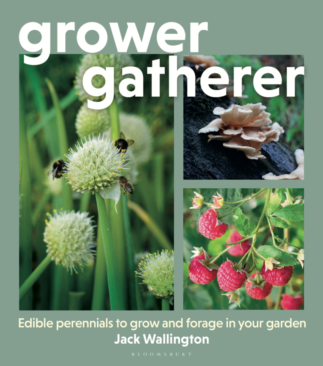
Explore edible perennials and forage gardens in Grower Gatherer
Discover a curated selection of delicious, easy to grow perennial vegetables, fruit, herbs, nuts, fungi and edible flowers – and how to combine them into beautiful, productive plant communities.